Acute Exercise Alters More Than 3,000 Proteins Across Human Body Fluids
A study published in Nature Metabolism reveals that even a single bout of exercise is associated with extensive changes in proteins found in human plasma, saliva, and urine. Using advanced proteomic technologies, researchers identified more than 3,000 exercise-responsive proteins. These findings provide new insights into the molecular mechanisms of physical activity, inter-organ communication, and the potential links between exercise and metabolic health.
Exercise Triggers Extensive Changes in the Human Proteome
Physical exercise induces physiological adaptations extending beyond skeletal muscle and the cardiovascular system. Despite extensive evidence supporting the health benefits of physical activity, many of the underlying molecular mechanisms remain incompletely understood.
A study published in **Nature Metabolism** used advanced proteomic technologies to investigate changes in the human protein landscape following a single bout of exercise.
Analyzing Proteins Across Three Biological Fluids
The primary investigation examined plasma, saliva, and urine samples collected from 25 healthy men at multiple time points.
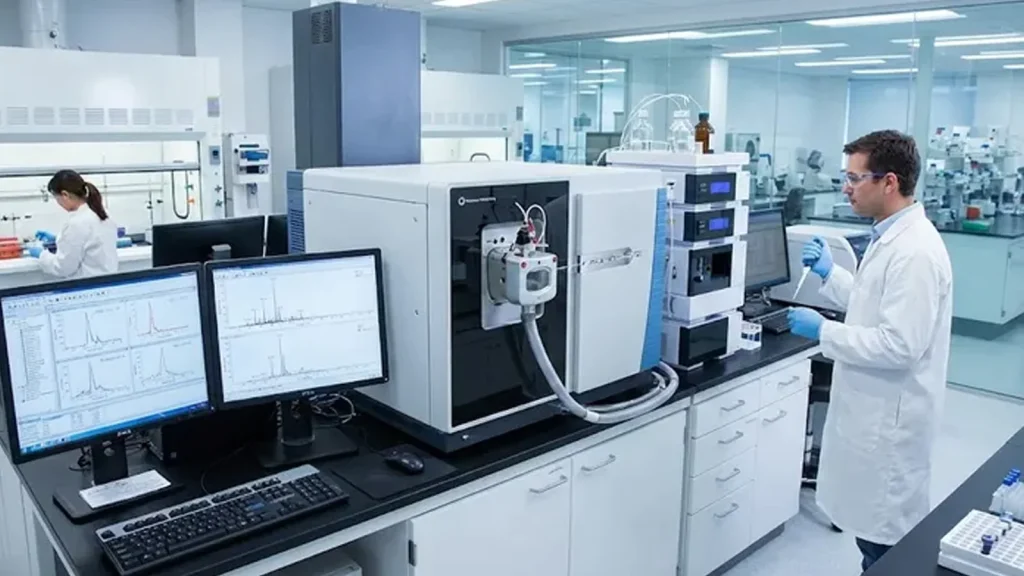
Through time-resolved proteomic analysis, researchers identified more than 3,000 proteins associated with the body’s response to acute exercise.
The results revealed distinct temporal response patterns across biological fluids, highlighting the complexity of the systemic molecular response to physical activity.
Immune Regulation and Inter-Tissue Communication
Protein network analyses identified several biological processes associated with exercise, including protein secretion, immune system regulation, and extracellular matrix remodeling.
These findings may improve our understanding of exercise-induced signaling molecules known as **exerkines**.
Exerkines are molecules released by various tissues in response to physical activity and may contribute to physiological communication between organs.
Connections to Cardiometabolic Health
By integrating proteomic measurements with human genetic data, the researchers investigated associations between exercise-responsive proteins and cardiometabolic traits and diseases.
An independent cohort also demonstrated that several plasma protein responses were shared across individuals of different ages and sexes and across exercise modalities.
These observations may support future research into exercise-related biomarkers and individual variability in physiological responses to physical activity.
Implications for Exercise Physiology
The study emphasizes the importance of examining exercise as a whole-body physiological stimulus rather than focusing exclusively on individual organs or tissues.
Its findings may provide a foundation for future investigations into training adaptations, metabolic health, and personalized exercise interventions.
However, the research primarily examined acute responses, and the main participant group was relatively small. Further investigations are necessary to establish causal mechanisms and determine potential clinical applications.
News source
- Journal or institution
- Nature Metabolism
- Source publication date
- 2026-10-12